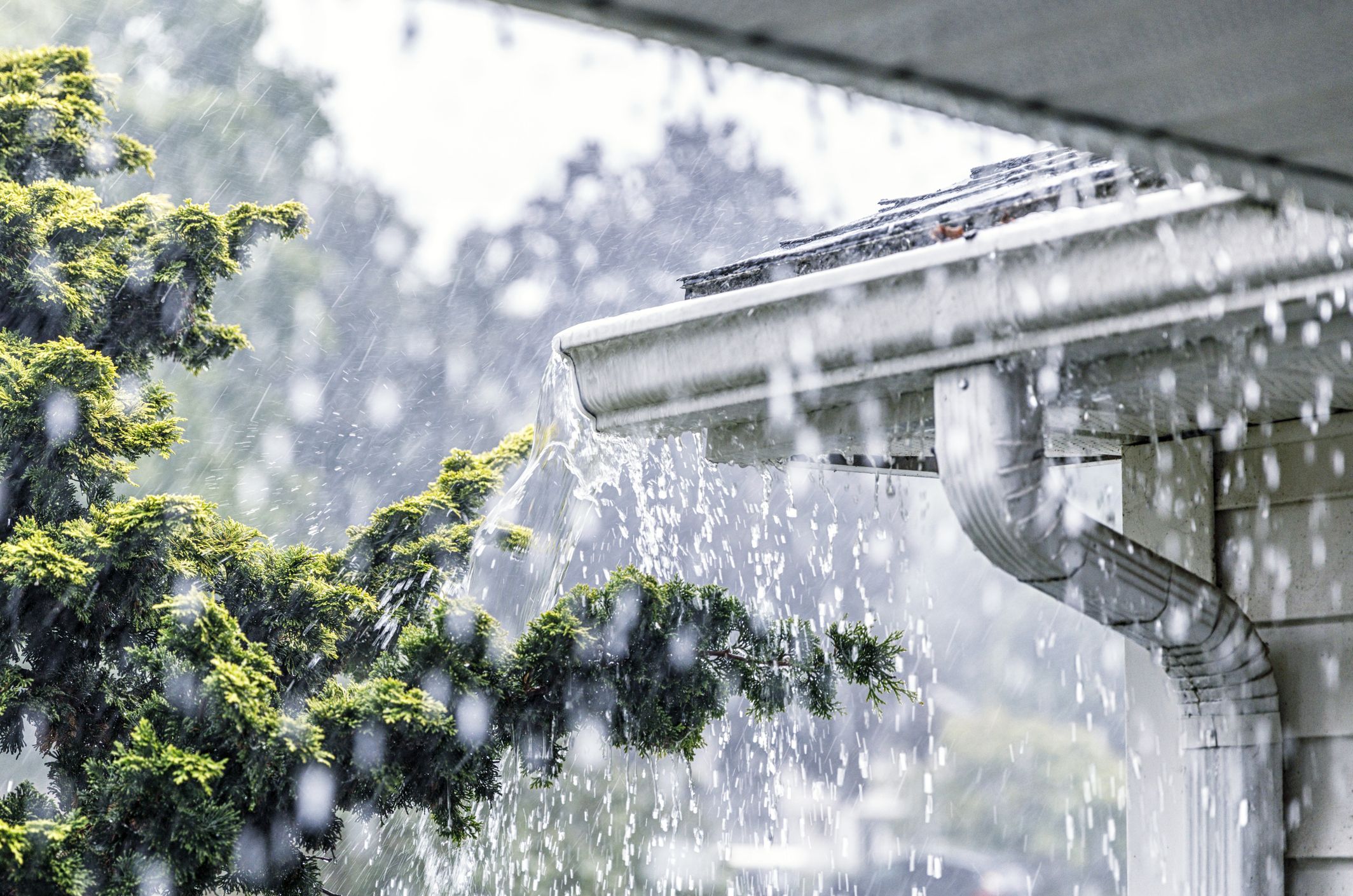
Heavy rainfall, thunderstorms, strong winds and hail can cause problems for a home, especially when gutters are blocked, water collects in certain areas or outdoor objects are not properly secured.
The best time to inspect your home is not when severe weather has already started, but beforehand.
A simple preventive check can help identify problems early and reduce the risk of damage. From gutters and the roof to awnings, solar water heaters and outdoor drains, here is what you should check before the next period of severe weather.
Quick checklist before severe weather
Before heavy rain or strong winds are expected:
- Clean gutters and water outlets.
- Check grates, drains and stormwater drainage points.
- Inspect the roof or flat roof for visible problems.
- Make sure objects in gardens, yards and balconies are secured or moved to a protected area.
- Check awnings, pergolas and shading systems.
- Check solar water heaters, photovoltaic panels, antennas and other rooftop equipment.
- Pay particular attention to basements and low-lying areas of the property.
- Check doors, windows and frames.
- Charge mobile phones and power banks.
- Follow official weather warnings and instructions issued by the relevant authorities.
Clean your home’s gutters
Gutters have a simple but very important role: they help direct rainwater away from the roof or flat roof.
Over time, however, leaves, soil, dust, small branches and other debris can build up and prevent water from flowing properly.
What should you check?
Check:
- horizontal gutters,
- downpipes,
- water outlets,
- drainage points on the roof or flat roof.
Make sure water can flow freely and that there are no visible signs of damage or leaks.
It is best to clean gutters before periods of heavy rainfall, rather than once severe weather has already begun.
Check stormwater drains and drainage points
It is not enough for water to drain properly from the roof. It must also be able to move safely away from the garden, yard and other outdoor areas around the home.
Pay particular attention to:
- drainage grates,
- drains,
- yards,
- garage ramps,
- basement entrances,
- areas where water has collected in the past.
Remove leaves, soil and debris that could block the flow of water.
If you notice that pools of water regularly form in certain areas after rainfall, it is worth investigating the cause before the next heavy downpour.
Inspect the roof or flat roof
The roof is one of the parts of a home that is directly exposed to rain, wind and hail.
For homes with a flat roof
Check for:
- visible cracks,
- waterproofing problems,
- areas where water remains standing,
- blocked drainage outlets,
- damage around pipes or other installations.
If there are signs of damp inside the property or known waterproofing problems, it is best to have them inspected by an appropriate professional in good time.
For homes with tiled roofs
Check for broken, displaced or visibly damaged tiles.
Roof inspections should always be carried out safely and never during rain or strong winds.
Check the solar water heater, photovoltaic panels and rooftop equipment
In Cyprus, many homes have solar water heaters, water tanks, photovoltaic systems, antennas or satellite dishes installed on the roof.
Before periods of strong winds, it is useful to check that this equipment is in good condition and properly secured.
If you notice loose or damaged supports, do not attempt temporary repairs once weather conditions have already deteriorated. Contact a suitable professional.
Check doors, windows and frames
A small weakness in the sealing around a window may become much more noticeable during heavy rain combined with strong winds.
Before severe weather:
- check that doors and windows close properly,
- inspect seals and weatherstripping,
- check external shutters,
- pay attention to any areas where water has entered in the past.
If there are known problems, it is better to address them before the next period of heavy rain.
Secure items in gardens, terraces and balconies
During strong winds, objects that normally appear harmless can move or be blown away.
Before severe weather begins, move to a protected area or properly secure:
- chairs and lightweight tables,
- plant pots,
- decorative items,
- tools,
- umbrellas,
- children’s toys,
- bins and other lightweight objects.
The Cyprus Civil Defence also recommends securing objects that could be carried away by strong winds and cause damage or injury.
Check awnings, pergolas and shading systems
Awnings and outdoor shading systems are particularly exposed to strong winds.
Check in advance:
- their mechanisms,
- fixing points,
- any tears or signs of wear,
- whether they can be properly closed or retracted.
When strong winds are expected, always follow the manufacturer’s instructions regarding the safest position for the system.
Trim dangerous or dry branches
Trees and large plants close to the home should also be inspected.
Dry, weak or oversized branches may break during strong winds and cause damage to:
- the roof,
- windows,
- vehicles,
- outdoor structures.
If a large tree is involved, or if branches are close to power lines, do not attempt to cut them yourself. Contact the relevant authorities or a suitable professional.
Pay particular attention to basements and low-lying areas
Basements, semi-basement areas and garages located below street level may be more vulnerable to water entering the property.
If your home is in an area that has experienced flooding in the past, inspect possible entry points for water well in advance.
What can you do as a precaution?
- Keep drains around entrances clear.
- Avoid storing important documents and valuable items directly on the floor.
- Move electrical appliances or sensitive equipment to a higher position where possible and safe.
- Consider suitable measures to limit water entry if the property is in an area with an increased flood risk.
The Cyprus Civil Defence has also issued specific recommendations for homes with basements in areas where there is a risk of flooding.
Prepare your home for possible hail
Hail can cause damage mainly to exposed and more vulnerable outdoor surfaces.
Before severe weather:
- move sensitive items away from gardens and balconies,
- inspect skylights and other outdoor structures,
- protect exposed equipment where possible.
If a safe covered parking area is available, you may also consider moving your vehicle there before the weather deteriorates.
Check outdoor electrical installations
Outdoor sockets, lights, cables and other electrical installations should be in good condition and suitable for outdoor use.
If you notice damaged cables, broken covers or any other signs of a problem, contact a licensed electrician.
Do not touch electrical installations when there is standing water or flooding.
It is also useful for adult members of the household to know where the main electricity and water supplies are located.
Keep a few basic items ready
Severe weather can sometimes result in temporary power cuts or other disruptions.
It is useful to have available:
- a torch and spare batteries,
- a charged power bank,
- a basic first-aid kit,
- sufficiently charged mobile phones,
- important contact numbers,
- easy access to your insurance policy details.
What to do when a severe weather warning is issued
When you know that severe weather is approaching, major maintenance work should already have been completed.
At that stage, focus on simple and safe actions:
- close doors and windows securely,
- bring lightweight outdoor items inside,
- make sure household members are aware of the warning,
- follow announcements and instructions issued by the relevant authorities,
- avoid unnecessary travel when conditions are dangerous.
Do not climb onto the roof, use ladders or access other exposed areas to carry out work while it is raining or during strong winds.
Prevention starts before the first storm
We cannot control the weather, but we can make sure that our home is as well prepared as possible.
Regularly checking gutters, roofs, drainage systems, outdoor installations and possible water entry points can help identify problems before they develop into more serious damage.
Maintenance and prevention are important parts of protecting your home. At the same time, it is also important to understand what your home insurance policy covers and whether the cover you have selected still meets your current needs. It is also important to know what Home Insurance might not cover.
Home Insurance and damage caused by severe weather
Insurance cover is not the same under every policy, and it should not be assumed that every type of damage caused by severe weather is automatically covered.
Cover depends on the insurance policy, the plan selected, the terms and conditions, exclusions, limits and any applicable excesses.
Under Minerva Insurance’s miplace express Home Insurance, depending on the plan and cover selected, protection may include, among other risks, storm, tempest, windstorm and flood.
Before the period of severe weather begins, it is a good opportunity to check not only your home, but also your insurance policy.
Find out more on our website about Home Insurance from Minerva Insurance.