11 Mar 2026
The Psychology of Insurance
1. Why people buy protection only after a loss occursThere is a pattern that those of us working in the …
24 Mar 2026
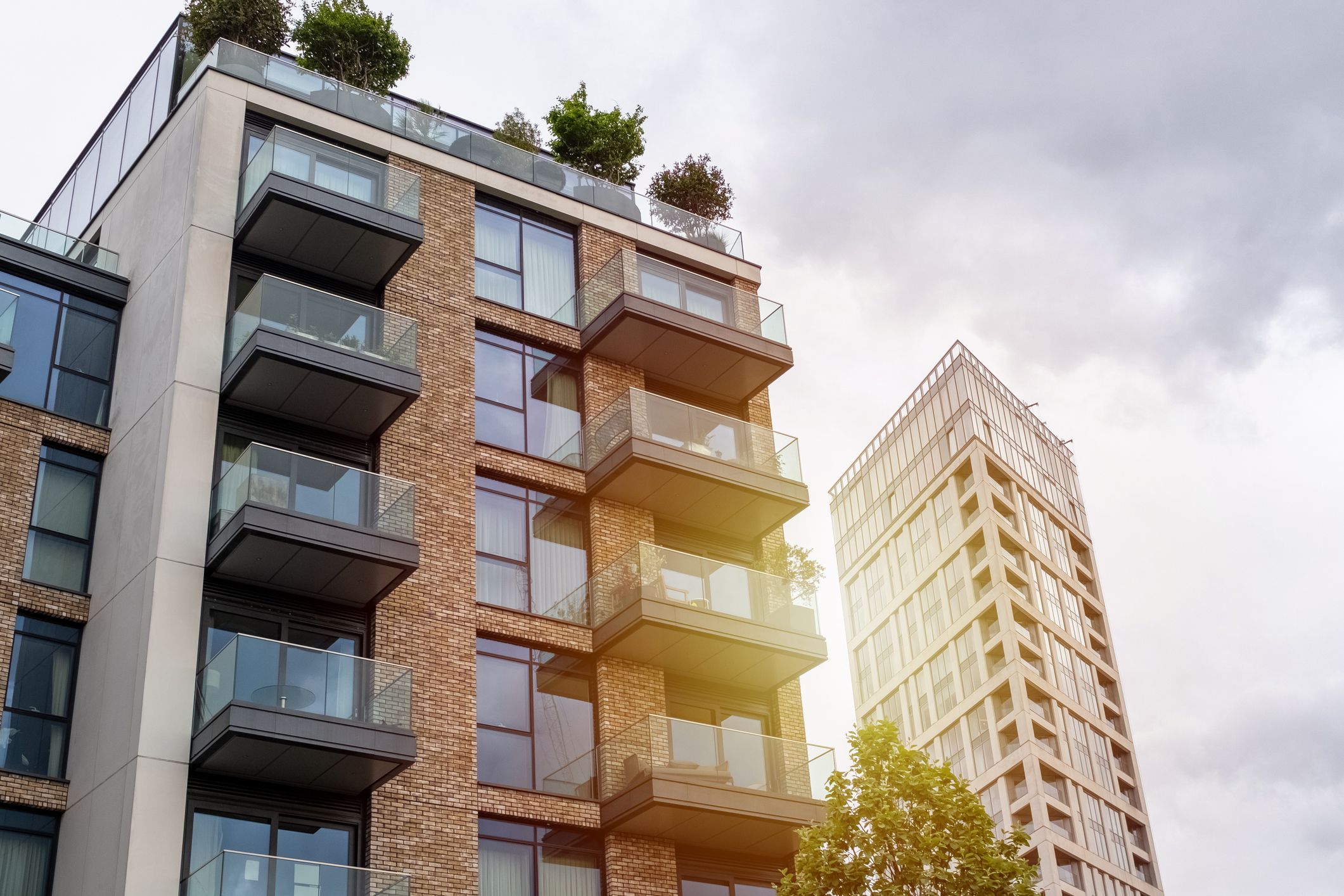
Jointly Owned Building Insurance refers to the insurance protection of the entire building and the common property of all co-owners participating in an apartment building or residential complex.
In a jointly owned building, damage to one part of the structure does not affect only one owner. It may impact the structural integrity, functionality, safety and ultimately the value of all individual units.
Jointly Owned Building Insurance:
For this reason, such insurance constitutes a fundamental pillar of proper property management in any multi-unit development.
The compulsory insurance of jointly owned buildings is a significant matter affecting apartment buildings and residential complexes in Cyprus.
The objective of the legislation is:
The extension of Third-Party Liability cover for accidents occurring in common areas is not mandatory under the law. It is an optional insurance coverage.
In Cyprus, the insurance of Jointly Owned Buildings is primarily governed by:
According to the legislation:
Importantly, the statutory obligation refers to the insurance of the entire jointly owned property, not merely the shared areas. The law requires insurance of the building as a whole.
Key Legal Definitions, Under the legislation:
A jointly owned building is a building consisting of at least five units, even if all units belong to a single owner.
A unit means a floor, part of a floor, room, office, apartment, shop or any other space that can be used as a complete, separate and independent property and is separately registered in the Land Registry.
The extent of a unit includes the covered area and its covered and uncovered verandas and balconies.
Common property means every part of the building not registered as a unit and includes indicatively:
Limited common property refers to a part of the building allocated for the exclusive use of one or more (but not all) units. Typical examples include a designated parking space or storage room assigned to a specific unit.
The Management Committee is responsible for the overall administration of the jointly owned building.
Under the law, it is responsible for:
Proper insurance protection is a key risk-management tool for the Management Committee in safeguarding the interests of all co-owners.
The Committee is also obliged:
Insurance against any other perils becomes compulsory only if approved by a majority exceeding 50% of the ownership share.
A modern Jointly Owned Building Insurance policy may provide cover for:
The underwriting philosophy is the protection of the building as a single functional entity.
In practice, a comprehensive policy may indemnify against material damage arising from:
Such cover addresses the principal perils that may seriously disrupt the operation and financial stability of the building.
Special emphasis is placed on:
These components now represent a significant portion of the building’s capital value and exposure.
Third-Party Liability insurance for accidents occurring in common areas:
Common areas (entrances, staircases, corridors, lifts, courtyards, parking areas, etc.) are used daily by residents, visitors, contractors and other third parties.
In the event of an accident — for example, a slip on a wet floor, injury due to poor maintenance or damage arising from a common installation — liability may attach to the jointly owned property and, in practice, to the Management Committee.
Third-Party Liability:
Although not legally mandatory, Third-Party Liability cover is, in practice, an essential risk-management instrument for any jointly owned building.
Minerva Insurance Public Company Ltd, with its longstanding presence in the Cypriot insurance market, continuously monitors the evolving needs of modern apartment buildings and residential complexes.
Responding to:
Minerva Insurance has designed specialized insurance programs tailored to the specific requirements of jointly owned buildings in Cyprus, offering flexibility, meaningful coverage and policy customization according to each building’s risk profile.
Under the micomplex Policy, there are three specialized programs available:
The micomplex programs provide the option to insure:
The nature and extent of cover are always specified in the Policy Schedule, depending on the selected program and the insured’s selections.
Τόνια Δεσπότη
Διευθυντής Ανάπτυξης Προϊόντων & Εκπαίδευσης
1. Why people buy protection only after a loss occursThere is a pattern that those of us working in the …
In recent years, the protection of the home has ceased to be viewed merely as a standard insurance requirement. The …
In the dynamic and demanding world of construction, risks are unavoidable. Unforeseen events, natural disasters, accidents, or third-party damage can …